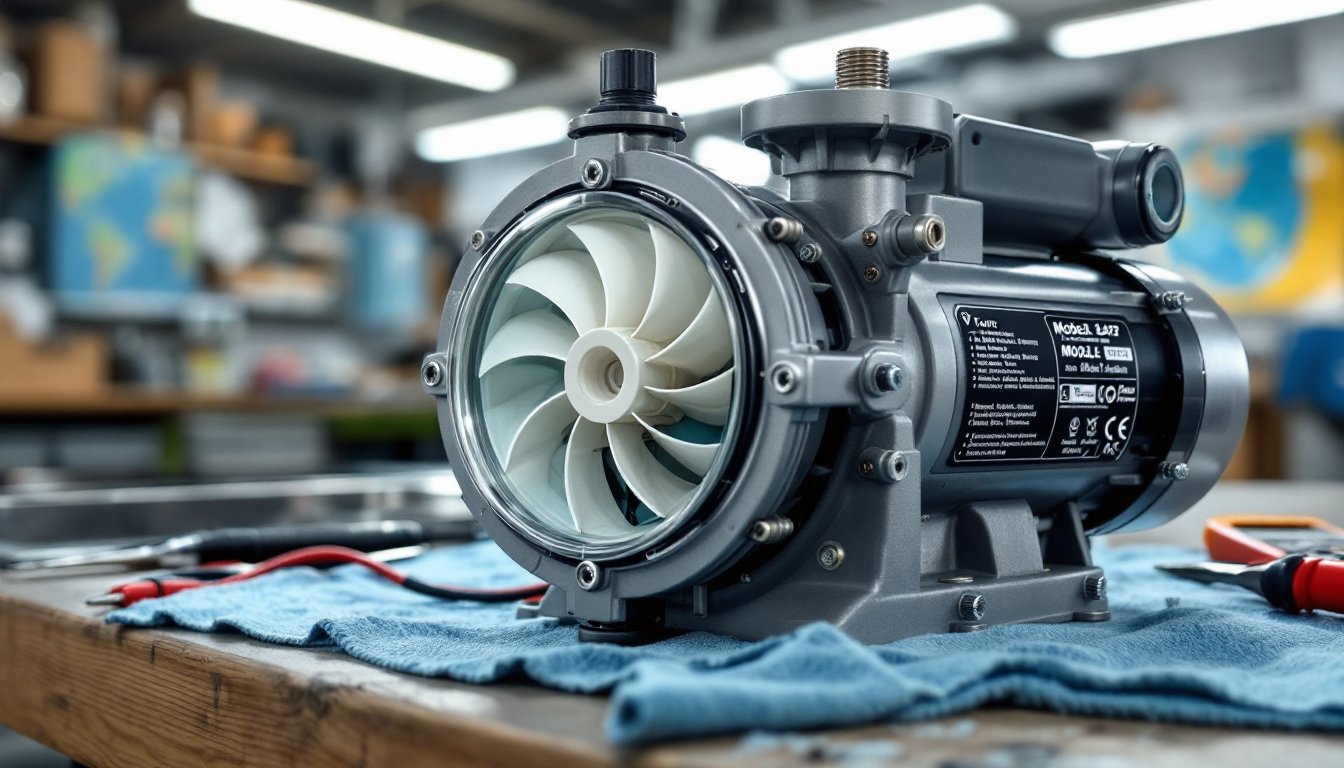
When a dishwasher starts leaving grime on plates or stops cleaning altogether, the circulation pump is often the culprit. This motor-driven component pushes water through the spray arms and filter system, creating the pressure needed to blast away food debris. Without a functioning circulation pump, water just sits in the tub, no matter how much detergent gets thrown in. Most homeowners assume they need a new dishwasher when the circulation pump fails, but diagnosing and replacing this part is actually within reach for anyone comfortable working with basic tools and electricity. This guide walks through the signs of a failing pump, testing procedures, and a step-by-step replacement process.
Table of Contents
ToggleKey Takeaways
- A failing dishwasher circulation pump often causes dirty dishes and poor cleaning performance, but homeowners can diagnose and replace this part themselves with basic tools.
- The circulation pump is the motor-driven workhorse that pressurizes water through spray arms at 15–40 PSI; when it fails, water stops circulating no matter how much detergent is used.
- Common circulation pump failures are caused by hard water mineral buildup, worn seals, foreign objects, and age—most pumps last 7–12 years with normal use.
- You can test a failing circulation pump by checking for visual damage, testing motor resistance with a multimeter, and performing an operational test to confirm the issue before ordering replacement parts.
- DIY circulation pump replacement takes 1–3 hours and involves disconnecting hoses, removing mounting bolts, and installing the new pump—professional replacement typically costs $200–$400.
- Regular maintenance like monthly filter cleaning, quarterly descaling with dishwasher cleaner, and using rinse aid significantly extends the life of your circulation pump.
What Is a Dishwasher Circulation Pump and How Does It Work?
The circulation pump (sometimes called a wash pump or motor pump assembly) is the workhorse of the dishwasher’s cleaning system. It sits at the base of the tub, typically mounted below the sump assembly where dirty water collects.
During a wash cycle, the pump draws water from the sump and forces it up through the spray arm manifold, a network of tubes and rotating nozzles that distribute water throughout the tub. Most residential dishwashers use a centrifugal pump design with an impeller spinning at 3,000–4,000 RPM, generating enough pressure to spray water at 15–40 PSI.
The circulation pump runs separately from the drain pump. Many dishwasher models use a dual-pump setup where one motor handles both functions via a reversible mechanism, while others have entirely separate units. The circulation pump only activates during wash and rinse cycles, not during drain phases.
Key components include the motor housing, impeller (a fan-like blade), volute (the chamber that channels water), and seal assembly (which prevents leaks where the motor shaft enters the pump housing). When any of these parts fail, water circulation stops or becomes severely restricted.
Signs Your Dishwasher Circulation Pump Is Failing
A failing circulation pump announces itself through several unmistakable symptoms:
Dishes come out dirty or partially cleaned. If plates still have stuck-on food after a full cycle, the spray arms likely aren’t getting enough water pressure. Check the arms first, if they’re not clogged, the pump is the next suspect.
Unusual noises during the wash cycle. A healthy circulation pump produces a steady hum. Grinding, rattling, or high-pitched squealing indicates worn bearings, a damaged impeller, or debris caught in the pump housing. Some noise is normal when the pump first starts, but sustained grinding points to mechanical failure.
Water remains pooled in the bottom of the tub. While this can also signal a clogged drain pump or air gap, standing water combined with poor cleaning performance suggests the circulation pump isn’t moving water through the system.
The dishwasher runs but spray arms don’t rotate. Most spray arms are driven purely by water pressure. If the pump motor runs but the arms stay still, the impeller may be broken or the pump has lost prime (air trapped in the system).
Tripped circuit breaker or blown thermal fuse. A seized pump motor draws excessive current, which can trip the breaker or blow the dishwasher’s internal thermal fuse, a safety device that cuts power when components overheat.
These issues often develop gradually as seals wear or mineral deposits accumulate inside the pump housing.
Common Causes of Circulation Pump Problems
Understanding why circulation pumps fail helps with both diagnosis and prevention.
Hard water buildup. Calcium and magnesium deposits gradually clog the impeller housing and restrict water flow. In areas with water hardness above 7 grains per gallon, this is the leading cause of pump failure. The buildup eventually locks up the impeller or damages the motor bearings.
Worn seals. The mechanical seal between the motor and pump housing deteriorates over time, allowing water to seep into the motor windings. This leads to electrical shorts, corrosion, and complete motor failure. Average seal lifespan is 5–8 years with normal use.
Foreign objects in the pump. Broken glass, utensil fragments, or food debris can jam the impeller. Always scrape plates before loading, and check the sump area monthly for accumulated gunk.
Electrical component failure. The start capacitor (on some models) or motor windings can burn out from power surges or overheating. A motor that hums but doesn’t spin often has a failed capacitor.
Age and wear. Most circulation pumps last 7–12 years. Heavy use (more than one cycle per day) or poorly maintained dishwashers fall on the lower end of that range. Bearings wear, plastic components crack, and eventually the assembly needs replacement.
Manufacturing defects. Some dishwasher models have known pump issues. Check the manufacturer’s service bulletins or class-action settlements if the pump failed early in the unit’s life.
How to Test Your Dishwasher Circulation Pump
Before ordering parts, confirm the pump is actually the problem. Testing requires basic electrical knowledge and safety precautions.
Safety first: Disconnect power at the circuit breaker, not just the dishwasher’s power switch. Verify power is off with a non-contact voltage tester. Shut off the water supply valve under the sink.
Access the pump. Remove the lower dish rack and spray arm. Unscrew the filter assembly and sump cover, usually a few Phillips-head screws or twist-lock tabs. For most models, you’ll also need to remove the kick plate at the base of the door and the lower access panel to reach the pump from below.
Visual inspection. Look for cracks in the pump housing, obvious leaks, or debris jamming the impeller. Try rotating the impeller by hand (with gloves), it should turn freely with slight resistance. If it’s seized or wobbles excessively, the pump is shot.
Continuity test. Disconnect the wiring harness from the pump motor. Set a multimeter to ohms (Ω). Touch the probes to the motor terminals. A functional motor shows 5–50 ohms of resistance (check the service manual for your model’s spec). Infinite resistance means an open circuit (burned-out motor): zero resistance indicates a short.
Test the capacitor (if equipped). Discharge it first by shorting the terminals with an insulated screwdriver. Test with a multimeter set to capacitance mode. The reading should match the μF rating printed on the capacitor body (typically 5–20 μF). Replace if the reading is off by more than 10%.
Operational test. Reassemble enough to restore power and water. Start a cycle and listen. The circulation pump should engage about 2–3 minutes in, after the initial drain. If the motor hums but doesn’t spin, it’s likely a seized pump or failed capacitor. No sound at all suggests an electrical issue or a completely dead motor.
Many dishwasher repair guides include model-specific testing procedures.
DIY Circulation Pump Replacement: Step-by-Step Instructions
Replacing a circulation pump takes 1–3 hours depending on the dishwasher model. This is not structural work, but it does involve electricity and plumbing connections.
Tools and materials:
- Replacement circulation pump (verify part number from the service manual or the existing pump’s label)
- Socket set (typically 8mm, 10mm sockets)
- Nut driver or screwdriver set
- Adjustable wrench
- Pliers (needle-nose and slip-joint)
- Towels and a shallow pan (for water spillage)
- Safety glasses and work gloves
- Multimeter (for final electrical check)
Step-by-step process:
-
Disconnect power and water. Flip the breaker, confirm with a voltage tester, and close the water shutoff valve. Pull the dishwasher forward to access the underside if needed (have someone help, units weigh 60–100 lbs).
-
Remove the lower components. Take out the bottom rack, spray arm, filter assembly, and sump cover as described in the testing section. Place towels under the unit and have a pan ready, residual water will spill when you disconnect the pump.
-
Access the pump from below. Remove the kick plate and lower access panel. You’ll see the pump mounted to the underside of the tub, with hoses and wires attached.
-
Disconnect hoses and wiring. Use pliers to squeeze and slide off the spring clamps or hose clamps securing the inlet and outlet hoses. Expect a cup or two of water to drain out. Disconnect the wire harness (usually a plug-in connector). Take a photo before removing anything, this helps during reassembly.
-
Remove the old pump. The pump is typically held by 3–4 mounting bolts or screws accessed from below. Use a socket or nut driver to remove them. Support the pump with one hand as you remove the last fastener, it’ll drop once free. Twist and pull the pump assembly out through the bottom opening.
-
Prepare the new pump. Compare it side-by-side with the old unit to confirm part numbers match. Transfer any rubber gaskets or seals if they’re not pre-installed on the replacement.
-
Install the new pump. Guide it into position from below, aligning the mounting holes. Thread in the mounting bolts and tighten evenly in a star pattern (don’t overtighten, about 15–20 in-lbs for most models). Reconnect the hoses (ensure clamps are seated properly) and plug in the wiring harness.
-
Reassemble and test. Replace the sump cover, filter, spray arm, and access panels. Restore water and power. Run a short rinse cycle and check for leaks around the pump housing and hose connections.
Professional pump replacement procedures emphasize double-checking hose orientation, inlet and outlet ports are not always obvious.
When to call a pro: If the dishwasher is built-in and you can’t safely pull it out, or if you’re not comfortable working with electrical connections, hire an appliance repair tech. Expect to pay $200–$400 for professional replacement, depending on the pump cost and labor rates.
Maintenance Tips to Extend Your Circulation Pump’s Lifespan
Preventive care keeps circulation pumps running longer and reduces the chance of sudden failure.
Scrape food debris before loading. Modern dishwashers have food grinders, but chunks of bone, fruit pits, and fibrous vegetables can still jam the impeller. A quick rinse or scrape saves the pump from unnecessary strain.
Clean the filter monthly. The filter traps debris before it reaches the pump. A clogged filter forces the pump to work harder, shortening its life. Remove and rinse the filter under hot water, scrubbing with a soft brush if needed.
Run a cleaning cycle every 3–6 months. Use a dishwasher cleaner product (citric acid-based or a commercial cleaner) to dissolve mineral buildup and grease in the spray arms, pump, and sump. This is especially important in hard water areas.
Check and clean the spray arms. Clogged spray arm nozzles reduce water flow, causing the pump to run hotter and wear faster. Remove the arms quarterly and clear any debris from the holes using a toothpick or wire.
Use rinse aid. Rinse aid isn’t just for spot-free dishes, it helps water sheet off surfaces and drain more efficiently, reducing the load on the pump during drain cycles.
Address hard water. Install a whole-house water softener if hardness exceeds 10 grains per gallon, or add a dishwasher-specific water softener unit. Mineral buildup is the top preventable cause of pump failure.
Don’t overload. Overloading blocks spray arms and forces the pump to work harder to circulate water. Follow the manufacturer’s loading guidelines.
Run hot water before starting. Turn on the kitchen faucet until the water runs hot, then start the dishwasher. This ensures the first fill is hot water, improving detergent performance and reducing the pump’s workload during heating cycles.
For additional DIY appliance care, platforms like Instructables offer user-contributed maintenance guides.
Conclusion
The circulation pump is the heart of the dishwasher’s cleaning system, and diagnosing problems early prevents a minor repair from becoming a full appliance replacement. Most homeowners can test and replace a faulty pump in an afternoon with basic tools and attention to safety. Regular maintenance, filter cleaning, descaling, and proper loading, extends pump life well beyond the average and keeps dishes coming out spotless cycle after cycle.