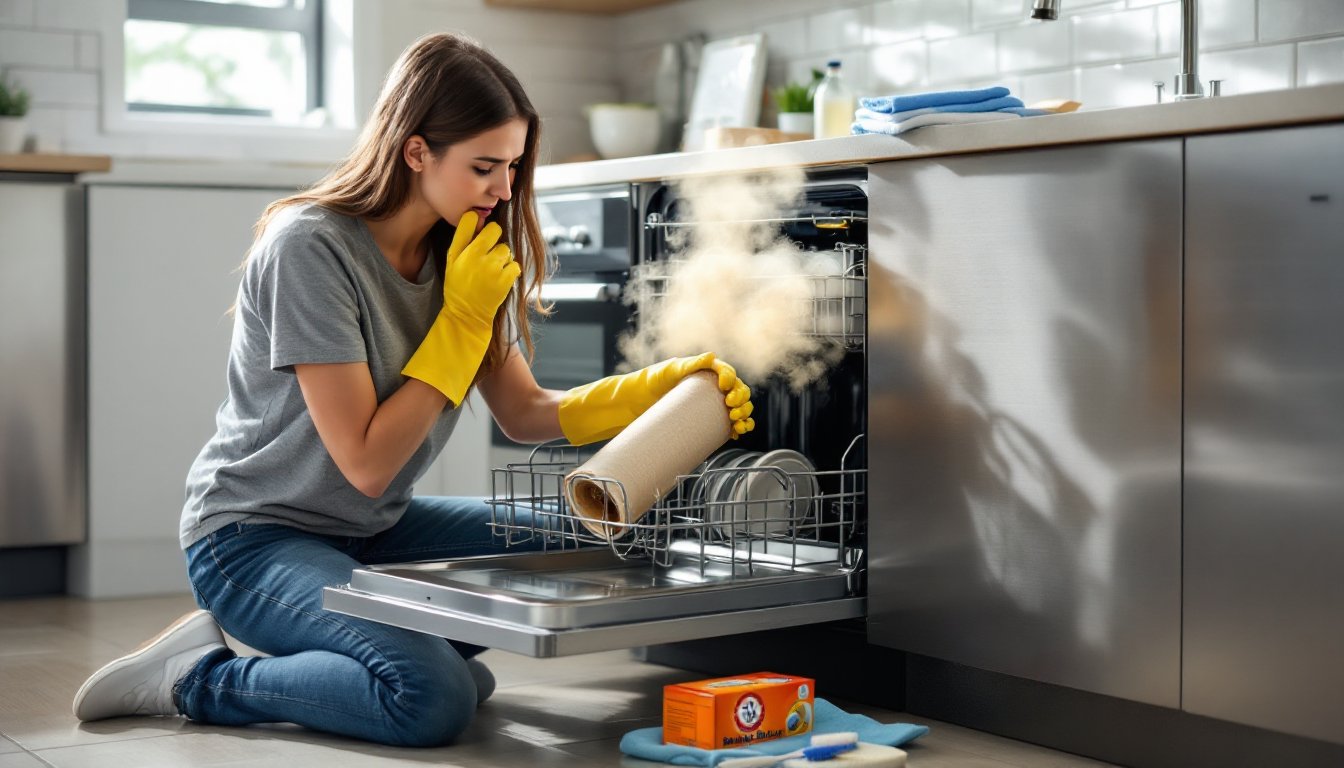
Opening the dishwasher and getting hit with a sulfur stench isn’t just unpleasant, it’s a warning sign that something’s not right. That rotten egg smell usually points to bacterial buildup, stagnant water, or trapped food debris fermenting in hidden corners of the appliance. The good news? Most cases are fixable with basic cleaning supplies and about an hour of work. The key is identifying the source of the odor and addressing it methodically. This guide walks through the causes, proven cleaning methods, and prevention strategies to keep that dishwasher fresh.
Table of Contents
ToggleKey Takeaways
- A dishwasher that smells like eggs typically results from bacterial buildup on trapped food, stagnant drain water, or mineral interactions with detergent—all of which are fixable with basic cleaning.
- Deep clean the filter every two weeks, rinse the drain area, and clear spray arm clogs to eliminate the source of odor before it becomes persistent.
- Run a vinegar and baking soda cycle to neutralize bacteria and mineral deposits; vinegar cuts through grease while baking soda deodorizes the interior without damaging components.
- Prevent sulfur smells by scraping plates before loading, running the garbage disposal first, and maintaining a monthly vinegar maintenance cycle to flush out buildup.
- If the smell persists after thorough cleaning or you notice pooling water and slow draining, call a professional to diagnose drain pump failures or plumbing issues that require parts replacement.
Why Does My Dishwasher Smell Like Rotten Eggs?
The sulfur smell comes from one of three culprits: bacteria feeding on trapped food, stagnant water sitting in the drain system, or a chemical reaction between certain detergents and hard water minerals.
Bacteria and food debris are the most common causes. The filter at the bottom of the dishwasher catches solid particles, but if it’s not cleaned regularly, those particles break down and create an environment where sulfur-producing bacteria thrive. The same issue happens in the drain hose or garbage disposal connection if food sludge accumulates there.
Stagnant water is another frequent offender. If the dishwasher doesn’t drain completely after a cycle, due to a clogged filter, kinked drain hose, or faulty drain pump, water sits in the basin and develops that unmistakable egg odor within a few days. Check under the bottom spray arm and around the door gasket: pooling water in these areas signals a drainage problem.
Hard water and detergent chemistry can also generate sulfur smells. Some detergent formulas interact with high mineral content in water, producing hydrogen sulfide gas during the wash cycle. If the smell only appears during or immediately after running the dishwasher, this might be the issue. Switching to a detergent designed for hard water often resolves it.
Finally, if the dishwasher connects to a garbage disposal, ensure the disposal’s knockout plug was removed during installation. A forgotten plug blocks drainage completely, forcing water and food back into the dishwasher where it stagnates and smells.
How to Clean a Dishwasher That Smells Like Sulfur
Eliminating the smell requires a two-part approach: removing the source of the odor, then sanitizing the interior. Set aside about 60 minutes for this process, and gather supplies before starting.
Tools and materials needed:
- White vinegar (2 cups)
- Baking soda (1 cup)
- Dish soap (a few drops)
- Soft-bristle brush or old toothbrush
- Microfiber cloths
- Flashlight
- Optional: commercial dishwasher cleaner
Safety note: Always disconnect power to the dishwasher at the breaker before reaching into the drain area or inspecting electrical components. Wear rubber gloves to protect hands from sharp debris and bacteria.
Deep Clean the Filter and Drain
The filter is ground zero for odor buildup. Most dishwashers use a cylindrical filter assembly located beneath the bottom spray arm.
- Remove the bottom rack to access the filter. Twist the cylindrical filter counterclockwise (most models) or lift out the flat screen filter, depending on the design.
- Rinse the filter under hot running water, scrubbing away visible debris with a soft brush. If grease or film persists, soak the filter in hot water with a few drops of dish soap for 15 minutes, then scrub again.
- Inspect the drain area beneath where the filter sits. Use a flashlight to check for trapped food, broken glass, or sludge. Scoop out any debris by hand (gloves on), then wipe the area with a damp cloth.
- Check the spray arms for clogs. Remove them (they usually twist or snap off) and rinse under running water. Use a toothpick to clear any blocked spray holes.
- Examine the drain hose connection under the sink. If accessible, disconnect the hose and flush it with hot water. Look for kinks or sags where water might collect.
Experts who focus on eliminating dishwasher odors often emphasize that neglected filters are the single biggest cause of persistent smells. Clean the filter every two weeks minimum, weekly if the household generates heavy food waste.
Run a Vinegar and Baking Soda Cycle
Once the mechanical cleaning is done, a chemical deep clean neutralizes remaining bacteria and mineral buildup.
- Place a dishwasher-safe bowl filled with 2 cups of white vinegar on the top rack. Run a full hot water cycle with no dishes inside. Vinegar cuts through grease, dissolves mineral deposits, and kills bacteria without damaging dishwasher components.
- After the vinegar cycle completes, sprinkle 1 cup of baking soda across the bottom of the dishwasher. Run a short hot water cycle (or just the rinse cycle if available). Baking soda neutralizes any remaining acids and deodorizes the interior.
- Wipe down the door gasket and edges with a vinegar-dampened cloth. This rubber seal traps moisture and grime, and it’s often overlooked during routine cleaning.
If the smell persists after this treatment, consider a commercial dishwasher cleaner formulated for sulfur odor. Products containing citric acid or oxygen bleach (avoid chlorine bleach, it can corrode stainless steel interiors) work well for stubborn cases. Homeowners looking for proven dishwasher deep cleaning methods find that alternating vinegar and commercial cleaners monthly keeps appliances in peak condition.
Preventing Egg Smell From Returning to Your Dishwasher
Cleaning solves the immediate problem, but prevention keeps the smell from coming back. Build these habits into routine kitchen maintenance.
Scrape plates before loading. Modern dishwashers handle light food residue, but large chunks overwhelm the filter. Use a spatula or paper towel to remove stuck-on food, there’s no need to rinse dishes completely, but bones, seeds, and fibrous vegetables should go in the trash.
Run the garbage disposal before starting the dishwasher. If the dishwasher drain connects to the disposal (standard in most U.S. kitchens), clear the disposal completely before running a wash cycle. This prevents food from backing up into the dishwasher drain.
Use the dishwasher regularly. Appliances that sit unused for more than a week develop stagnant water odors. If going on vacation, run a quick rinse cycle before leaving, or leave the door propped open slightly to allow air circulation (check the manufacturer’s guidelines first, some models discourage this due to latch stress).
Clean the filter every two weeks. Mark it on a calendar or tie it to another routine task like taking out recycling. A quick two-minute rinse prevents the buildup that leads to deep-seated odors.
Run a monthly maintenance cycle. Once a month, run an empty hot water cycle with vinegar or a dishwasher cleaner. This flushes out mineral deposits and bacteria before they accumulate to odor-causing levels.
Check water temperature. Dishwashers need water at 120–150°F to dissolve detergent and kill bacteria effectively. If dishes come out greasy or the machine smells musty, test the water temperature at the kitchen faucet (let it run for a minute first). Adjust the water heater if needed, most residential heaters have an accessible thermostat.
Inspect and clean the door gasket monthly. Wipe down the rubber seal with a vinegar-water solution (1:1 ratio) to remove mold and mildew that develop in this damp, hidden area.
When to Call a Professional for Help
Some dishwasher odor problems go beyond basic cleaning and point to mechanical or plumbing failures that need professional diagnosis.
Persistent smell after thorough cleaning suggests a drain pump failure, clogged drain line, or broken check valve that allows sewer gas to backflow into the dishwasher. These issues require disassembly and parts replacement, not typical DIY territory.
Water pooling in the bottom between cycles indicates a faulty drain pump or a blocked drain line beyond the dishwasher’s internal components. A plumber or appliance repair tech can camera-inspect the drain line and clear blockages or replace the pump.
Smell accompanied by slow draining or gurgling sounds often means a venting issue in the plumbing system. Under the International Residential Code (IRC), dishwasher drain lines must have a high loop or air gap to prevent backflow. If neither is present, or if the garbage disposal connection is faulty, hire a licensed plumber to correct the installation.
Electrical burning smell is a different issue entirely and requires immediate attention. Shut off power at the breaker and call an appliance repair technician. Don’t attempt to diagnose electrical faults without proper testing equipment and knowledge of the National Electrical Code (NEC) standards for appliance wiring.
Age of the appliance matters too. Dishwashers typically last 10–12 years. If the unit is near the end of its lifespan and developing multiple issues (odor, poor cleaning, leaks), repair costs may not be justified. A technician can assess whether replacement makes more financial sense.
Get quotes from at least two licensed professionals before authorizing major repairs. Labor and parts costs vary widely by region, and what’s economical in one market might be overpriced in another.
Conclusion
That rotten egg smell from the dishwasher is almost always solvable with a thorough cleaning of the filter, drain, and interior surfaces. Regular maintenance, scraping plates, running the disposal, and cleaning the filter biweekly, prevents the problem from recurring. If the odor persists after deep cleaning or if mechanical issues show up, bring in a professional to diagnose drainage or pump failures before they escalate into bigger repairs.