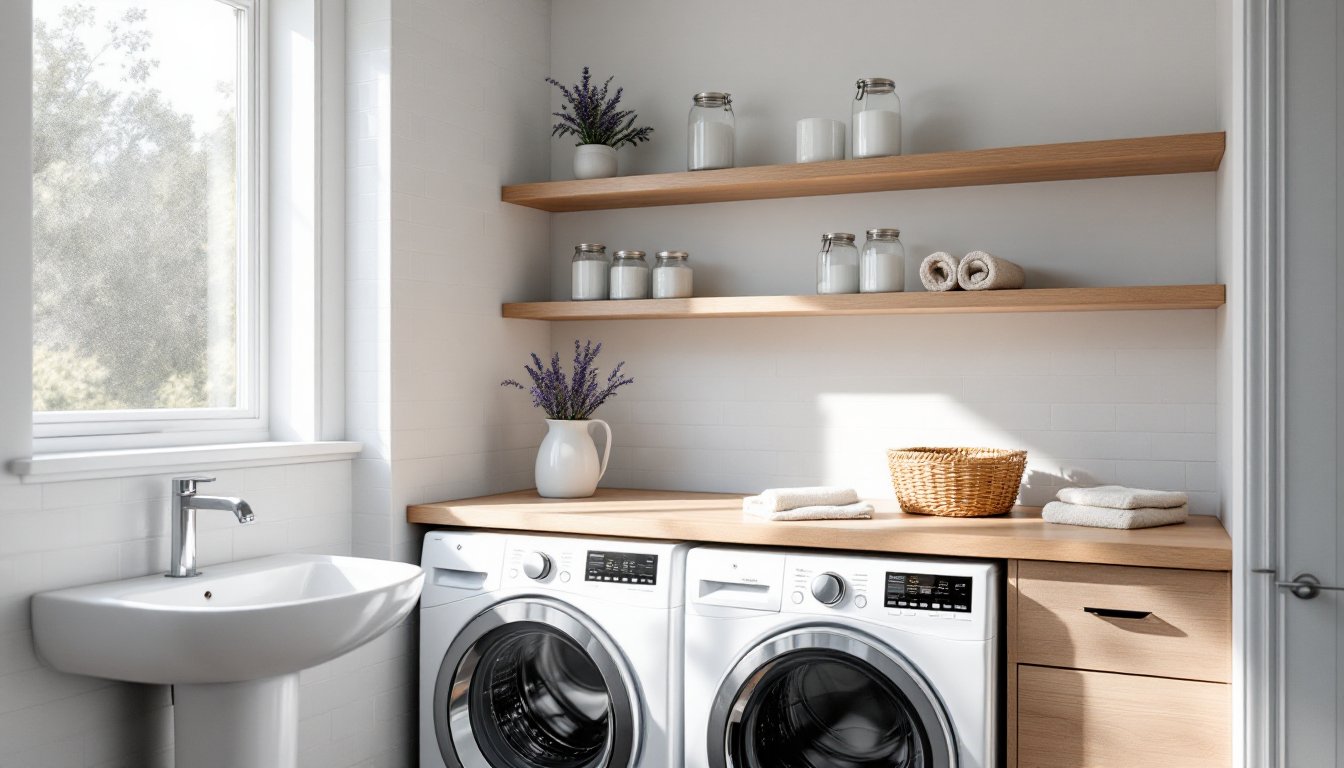
Laundry rooms aren’t always standard issue, especially in older homes, condos, or apartments. For homeowners working with tight floor plans, the bathroom can be an unexpected but practical solution for housing a washer and dryer. It’s not just a small-space trend, it’s a strategic move that consolidates plumbing, frees up square footage elsewhere, and can simplify daily routines. But before tearing into walls or shopping for stackable units, there are real trade-offs to consider: moisture management, code compliance, and whether the layout can handle the mechanical demands. This guide walks through the reasons behind the shift, the must-know requirements, and design strategies to pull it off without compromising function or safety.
Table of Contents
ToggleKey Takeaways
- Installing a washer and dryer in your bathroom leverages existing plumbing and electrical infrastructure, reducing installation costs and freeing up space elsewhere in the home.
- Proper ventilation (80–100 CFM minimum), moisture-resistant materials, and moisture control are critical to prevent mold and water damage when combining laundry with bathroom functions.
- Stackable or compact washer-dryer units can fit in recessed niches or enclosed closets in bathrooms as small as 5×8 feet, making the setup viable for tight layouts.
- Electric dryers require a dedicated 240-volt, 30-amp circuit, while gas dryers need a gas line with a shutoff valve—both often demand new wiring from the electrical panel and permit compliance.
- Check local building codes before installation, as some municipalities prohibit gas appliances in bathrooms or restrict washer placement relative to outlets and electrical safety zones.
Why Homeowners Are Moving Laundry Into the Bathroom
The decision to relocate laundry into a bathroom isn’t about chasing design trends, it’s usually driven by necessity and efficiency. Homes built before the 1970s often lack dedicated laundry rooms, leaving washers and dryers relegated to basements, garages, or kitchen corners. When those locations aren’t feasible or functional, the bathroom becomes the logical choice.
Bathrooms already have the plumbing infrastructure (water supply and drain lines) and electrical hookups needed for laundry appliances. That proximity cuts installation costs significantly compared to running new lines across the house. For urban dwellers in condos or townhomes, combining these wet zones can be the difference between having in-unit laundry or hauling loads to a shared facility.
Another motivator: accessibility. Older adults or those planning to age in place prefer laundry on the main floor rather than descending basement stairs with heavy baskets. Placing a washer and dryer in a main-floor bathroom eliminates that obstacle entirely. According to Good Housekeeping, compact and stackable laundry units have improved dramatically in capacity and energy efficiency, making them viable for full-sized household loads without sacrificing performance.
Space-Saving Benefits and Layout Flexibility
The real payoff comes in how efficiently a bathroom with washer and dryer can reclaim square footage. A standard side-by-side washer and dryer pair requires roughly 60 inches of width and 30 inches of depth. A stackable unit cuts that footprint in half horizontally, fitting into closets or alcoves that would otherwise go unused.
For bathrooms measuring 8×10 feet or larger, incorporating laundry doesn’t require a full remodel, just thoughtful zoning. Placing machines opposite the vanity or at the far end of a galley-style layout keeps the fixtures visually separated and maintains traffic flow. Bifold or pocket doors on a laundry closet can hide the appliances when not in use, preserving the bathroom’s aesthetic.
Some homeowners go further, converting a hall bathroom into a dual-purpose laundry and powder room. This works especially well in homes where a half-bath isn’t heavily trafficked. The toilet and sink remain functional for guests, while the washer and dryer handle household needs behind closed cabinetry. Even a modest 5×8-foot bathroom can accommodate a compact 24-inch washer-dryer combo if the layout is optimized and the door swing is carefully planned.
Key Considerations Before Installing a Washer and Dryer in Your Bathroom
Installing laundry appliances in a bathroom isn’t plug-and-play. There are mechanical, structural, and code-related hurdles that need upfront attention. Skipping due diligence here can lead to costly repairs, failed inspections, or worse, water damage and mold.
Plumbing and Electrical Requirements
A washing machine needs hot and cold water supply lines (typically ½-inch copper or PEX), a 2-inch drain with a P-trap, and a drain line that vents properly to prevent sewer gas backflow. Most bathrooms have these components for sinks and tubs, but the washer’s drain flow rate is much higher. If the existing drain can’t handle the volume, you’ll need to upsize or install a dedicated standpipe.
Electrically, a standard front-load washer runs on a 120-volt, 15-amp circuit. An electric dryer, but, requires a 240-volt, 30-amp dedicated circuit with a four-prong outlet (NEMA 14-30). Gas dryers need a 120-volt outlet plus a gas line with a shutoff valve within six feet of the appliance. Bathrooms often lack these heavy-duty circuits, so plan for an electrician to run new wiring from the panel, and factor in the cost of a permit if your jurisdiction requires one.
Check local codes. Some municipalities prohibit gas appliances in bathrooms due to combustion and ventilation concerns. Others restrict washer placement relative to electrical outlets or require GFCI protection on all bathroom receptacles. The International Residential Code (IRC) has specific rules about clearances around plumbing fixtures, so confirm your layout won’t violate spacing standards.
If you’re stacking units or installing a washer-dryer combo, verify the floor can support the weight. A loaded washer can exceed 300 pounds, and spin cycles generate lateral forces. If the bathroom is on a second floor with standard 2×10 joists at 16-inch centers, you may need to sister joists or add blocking to prevent flexing and vibration transfer.
Ventilation and Moisture Control
Combining laundry with a bathroom doubles the moisture load, and that’s a recipe for mold if ventilation isn’t addressed. A standard bathroom exhaust fan rated at 50 CFM won’t cut it when a dryer is dumping humid air and a washing machine is running back-to-back cycles. Experts at Remodelista recommend upgrading to a fan rated for at least 80–100 CFM in a combined laundry-bathroom space, especially if the room lacks a window.
Electric and gas dryers must vent to the exterior using rigid metal 4-inch duct. Flexible foil or vinyl duct is a fire hazard and restricted by code in most areas. Keep duct runs as short and straight as possible, every 90-degree elbow adds roughly 5 feet of equivalent length, reducing airflow and efficiency. If the bathroom’s exterior wall is more than 25 feet from the dryer, consider a vent booster fan to maintain proper exhaust velocity.
Condensing dryers and ventless washer-dryer combos don’t require exterior venting, but they do produce heat and humidity that the room must handle. Installing a dehumidifier or ensuring the HVAC system adequately conditions the space can prevent moisture from creeping into drywall, flooring, and cabinetry. Use moisture-resistant drywall (green board or purple board) on walls adjacent to the machines, and opt for tile or luxury vinyl plank flooring instead of hardwood or laminate, which can warp with repeated exposure.
Design Ideas for Integrating Laundry Into Your Bathroom
A well-designed bathroom with washer and dryer doesn’t look like an afterthought. It blends function with finish, making the laundry zone feel intentional rather than crammed in.
Enclosed Closet with Bifold Doors: Frame out a closet using 2×4 studs and install bifold or sliding barn doors to conceal the machines. Line the interior with the same tile or beadboard as the rest of the bathroom for visual continuity. Add a pull-out drying rack or fold-down counter above the washer for air-drying delicates.
Stacked Units in a Niche: If floor space is limited, stack a front-load washer and dryer in a recessed niche between studs. A 24-inch-wide Euro-style combo fits in spaces as narrow as 27 inches once framed. Use a stacking kit rated for the combined weight and secure the assembly to wall studs with lag bolts. Install a swing-out light or under-cabinet LED strip for task lighting inside the niche.
Side-by-Side with Countertop: For larger bathrooms, place the washer and dryer side by side and build a butcher block or laminate countertop over both units at 36 inches height. This creates a folding surface and integrates the machines into a vanity-style layout. Use the same cabinet hardware and finish as the rest of the bathroom to maintain cohesion. Insights from Apartment Therapy show that homeowners often add open shelving above the machines for detergent, baskets, and cleaning supplies, keeping essentials within arm’s reach.
Dual-Purpose Cabinetry: Build custom cabinetry that hides the washer and dryer behind full-overlay doors matching the vanity. Include cutouts for hoses and venting, and ensure doors have magnetic or soft-close hardware to prevent slamming. Top the cabinets with a continuous countertop that extends over the toilet or sink area, tying the whole room together visually.
Color and Material Choices: Stick with moisture-resistant finishes. Semi-gloss or satin paint is easier to wipe down than flat. Porcelain tile or sheet vinyl handles spills and humidity better than carpet or cork. If the bathroom sees heavy use, consider commercial-grade vinyl composition tile (VCT), which stands up to appliance weight and foot traffic.
Accessibility Features: If aging in place is a priority, install the washer and dryer on a 12- to 15-inch platform to reduce bending. Front-load models with controls mounted higher on the door are easier to operate without stooping. Ensure there’s at least 30×48 inches of clear floor space in front of the machines for wheelchair or walker maneuverability, per ADA guidelines.
Conclusion
A washer and dryer in the bathroom can solve real layout challenges, especially in homes where space and plumbing are at a premium. But success hinges on getting the mechanicals right, proper venting, adequate electrical capacity, and moisture control aren’t optional. With careful planning and honest assessment of the bathroom’s existing infrastructure, this dual-purpose setup can deliver convenience without compromise.