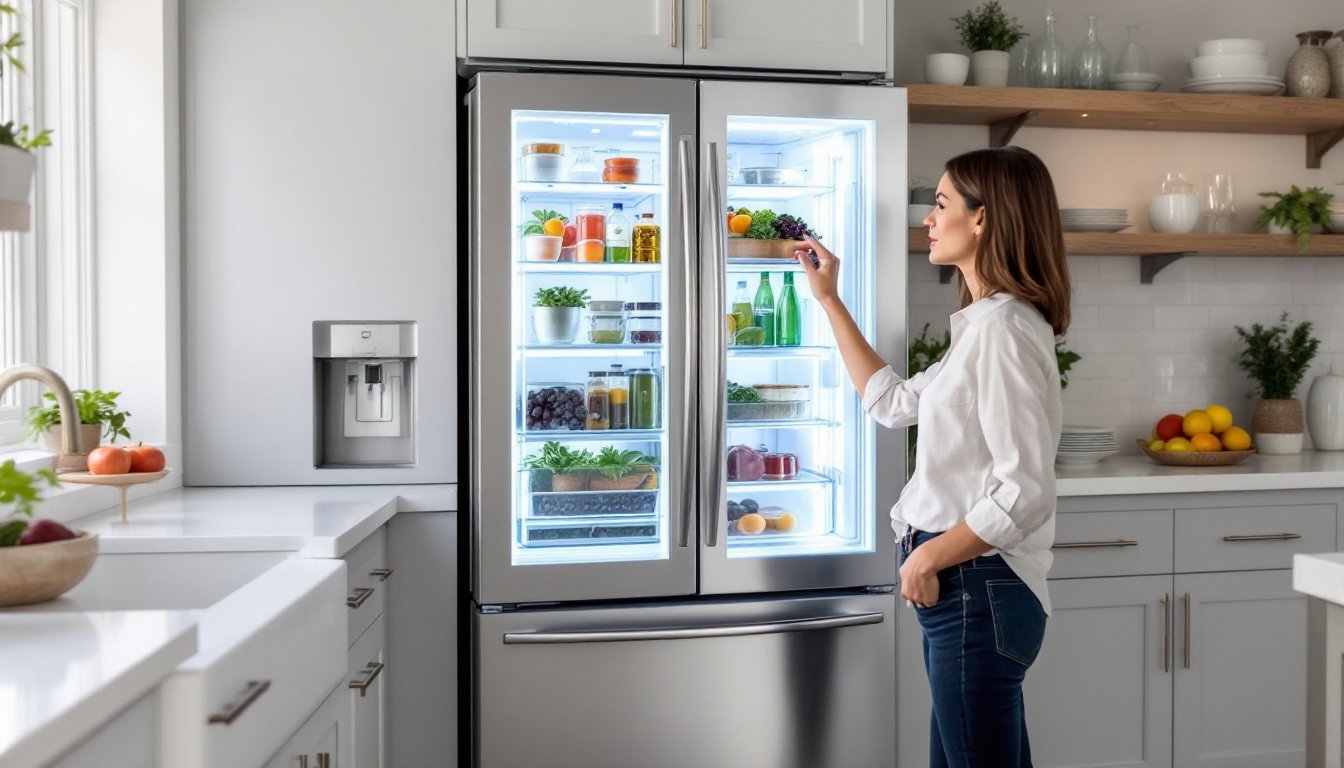
Glass door refrigerators aren’t just for commercial kitchens anymore. More homeowners are discovering the practical benefits of being able to see inside their fridge without opening the door, cutting energy waste, reducing cold air loss, and keeping the family from standing there with the door wide open. They’re also a design statement, turning what’s usually a solid appliance into a functional display piece. Whether you’re renovating a kitchen, setting up a wet bar, or just tired of mystery leftovers hiding in the back, a residential glass door fridge offers a blend of visibility, efficiency, and modern aesthetics that’s hard to beat.
Table of Contents
ToggleKey Takeaways
- A glass door refrigerator for home reduces energy consumption by up to 7% annually by minimizing door openings and allowing you to see contents without releasing cold air.
- Modern residential glass door refrigerators come in multiple styles—from full-size French door models with InstaView technology to compact beverage coolers and built-in column units—offering flexibility for kitchens, wet bars, basements, and home offices.
- Glass door fridges cost 15-25% more than comparable opaque models but improve food organization, reduce waste, and add a sleek, commercial aesthetic that enhances modern kitchen designs.
- Key features to prioritize include LED interior lighting, adjustable shelving, inverter compressors for consistent temperature control, and Energy Star certification with annual energy use under 400 kWh for full-size units.
- Weekly glass cleaning with vinegar and water, monthly shelf washing, and biannual condenser coil maintenance keep your glass door refrigerator looking pristine and performing efficiently.
- Optimal placement in kitchens, wet bars, or garages—with 1 inch of ventilation clearance and proper lighting—maximizes both functionality and visual impact as a design statement piece.
What Is a Glass Door Refrigerator and Why Choose One for Your Home?
A glass door refrigerator is exactly what it sounds like: a fridge with a transparent or semi-transparent door panel instead of the traditional opaque steel or plastic exterior. The glass is typically double or triple-paned, often with Low-E coating to minimize heat transfer and UV exposure.
Originally designed for commercial use, think convenience stores and restaurant walk-ins, these units have been re-engineered for residential settings. Modern versions are quieter, more energy-efficient, and come in sizes that fit standard kitchen footprints.
Why go glass? The biggest reason is visibility. You can see what’s inside before opening the door, which cuts down on the number of times the fridge is opened and how long it stays open. That translates to better temperature consistency and lower energy use. It also forces a bit of accountability, if you can see the mess, you’re more likely to organize it. For families with kids or anyone who tends to forget what’s in the crisper drawer, it’s a game-changer.
Types of Glass Door Refrigerators for Residential Use
Not all glass door fridges are created equal. Here’s what’s available for home use in 2026:
Full-size French door models are the most popular residential option. These units feature one or two glass panels in the upper French-style doors, with a traditional freezer drawer below. Brands like LG and Samsung offer versions with InstaView technology, knock twice on the glass, and interior LED lights activate so you can see inside without opening the door.
Beverage and wine coolers are compact, single-door units designed for drinks, craft beer, or wine storage. They often include adjustable shelving and dual-zone temperature controls. These are ideal for home bars, finished basements, or garage setups where secondary refrigeration is needed.
Column refrigerators are built-in units with a single glass door and full-height refrigeration. These fit flush with cabinetry and are typically part of a high-end kitchen remodel. They’re pricier but offer seamless integration and commercial-grade performance.
Mini fridges with glass doors are budget-friendly and versatile. Perfect for dorm rooms, home offices, or bedrooms, they typically range from 1.7 to 4.5 cubic feet. Many beverage-focused mini fridges include interior lighting and adjustable shelves for cans and bottles.
Outdoor-rated models are built to withstand temperature swings and moisture. These are gaining traction for outdoor kitchens and covered patios. Look for units rated for ambient temperatures between 40°F and 110°F if you’re installing one outdoors.
Key Benefits of Installing a Glass Door Fridge in Your Kitchen
Let’s break down the real-world advantages beyond the visual appeal.
Energy savings are measurable. According to Department of Energy testing, reducing door openings by just 20% can lower refrigerator energy use by up to 7% annually. Glass door units with knock-to-activate or always-on interior LED lighting make it easy to browse contents without opening the door.
Better organization follows naturally. When everything is visible, there’s less chance of produce rotting in the back or duplicates piling up. This visibility encourages smarter shopping habits and reduces food waste, something that pays dividends over time.
Design flexibility is another draw. Glass doors add a modern, commercial-kitchen vibe that pairs well with stainless steel appliances, concrete countertops, and open shelving. If you’re aiming for a sleek, industrial aesthetic, a glass door fridge fits right in.
Entertaining becomes easier when guests can help themselves without asking where the drinks are. A glass door beverage fridge in the basement or wet bar eliminates the back-and-forth and keeps the host from playing bartender all night.
That said, glass door fridges aren’t a perfect fit for everyone. If you prefer a minimalist look with everything hidden, or if your fridge tends to be cluttered, the transparency can work against you. It’s also worth noting that glass door units often cost 15-25% more than comparable opaque models.
Important Features to Consider Before You Buy
Before you commit to a glass door fridge, make sure it checks these boxes.
Door type and hinge swing matter in tight spaces. Measure your kitchen layout to confirm clearance for door swing. French door models require less clearance per door than a single full-width swing. Some units offer reversible hinges, which is helpful if you’re retrofitting an existing space.
Interior lighting should be LED-based for longevity and energy efficiency. Look for models with motion-activated or knock-activated lights. Some units include color-changing LEDs or adjustable brightness, nice to have, but not essential.
Shelving configuration varies widely. Adjustable glass or wire shelves are standard, but check the spacing and weight capacity. If you plan to store large items like sheet cakes or pizza boxes, make sure at least one shelf can be removed or adjusted to a taller clearance.
Glass treatment impacts both aesthetics and function. Tinted or frosted glass offers a middle ground, you can still see inside, but the contents aren’t on full display. Some models use UV-resistant glass to protect light-sensitive items like certain beverages or medications.
Noise level is often overlooked. Compressor-based units are quieter than they used to be, but check the decibel rating if the fridge will be in an open-concept space or near a bedroom. Anything under 40 dB is considered quiet for a refrigerator.
Energy Efficiency and Temperature Control
Energy Star certification is the baseline. Look for models with annual energy use under 400 kWh for full-size units, and under 200 kWh for compact or beverage coolers. The yellow EnergyGuide label will show estimated yearly operating cost based on national average electricity rates, currently around $0.16 per kWh as of early 2026.
Dual-zone or multi-zone cooling is available on higher-end models. This allows independent temperature control for different compartments, useful if you’re storing wine and beer in the same unit, or if you want a dedicated produce section with higher humidity.
Inverter compressors are now standard on most new models. Unlike traditional compressors that cycle on and off, inverter models run continuously at variable speeds, providing more consistent temperatures and using less energy. They’re also quieter and generate less vibration.
Temperature consistency is critical. The FDA recommends keeping refrigerators at or below 40°F (4°C) to slow bacterial growth. Glass door fridges with poor insulation or weak compressors can struggle to maintain that, especially in warm kitchens. Check reviews or spec sheets for temperature range stability, good units should stay within ±2°F of the setpoint.
Best Placement and Design Ideas for Your Home
Where you install a glass door fridge affects both function and aesthetics.
In the kitchen, a full-size glass door model works best as a secondary fridge or in an open-concept layout where it functions as a visual element. Place it in an island or peninsula for easy access from the cooking and dining areas. If you’re integrating it into cabinetry, ensure at least 1 inch of clearance on the sides and top for ventilation, check the manufacturer’s installation guide for exact specs.
Wet bars and butler’s pantries are ideal for beverage coolers. These spaces are designed for entertaining, and a glass door fridge fits the use case perfectly. Pair it with open shelving for glassware and a small sink for a functional serving station. Many kitchen design ideas emphasize the wet bar as a focal point in modern homes, and a well-placed glass door fridge elevates that look.
Garages and basements can accommodate outdoor-rated or garage-ready models. Standard refrigerators struggle in unheated spaces, but units rated for ambient temps as low as 38°F will perform reliably. This is a good spot for overflow storage, bulk beverages, or seasonal items.
Home offices and media rooms benefit from compact glass door mini fridges. If you’re spending long hours in a workspace, having cold drinks and snacks within arm’s reach beats multiple trips to the kitchen. Just make sure the noise level is acceptable, some cheaper units can be distracting.
For design continuity, match finishes with your existing appliances. Stainless steel is the most common, but black stainless, matte black, and panel-ready options are available. Panel-ready units let you attach custom cabinet fronts, though this somewhat defeats the purpose of the glass door unless you use glass-paneled cabinetry.
Lighting around the fridge, under-cabinet LEDs or recessed ceiling lights, can highlight the unit and make it feel more integrated. Just avoid placing it in direct sunlight, which forces the compressor to work harder and can cause glare on the glass.
Maintenance Tips to Keep Your Glass Door Refrigerator Looking Pristine
Glass door fridges demand more upkeep than opaque models, but it’s not complicated.
Clean the glass weekly. Use a standard glass cleaner or a 50/50 mix of white vinegar and water. Spray onto a microfiber cloth, not directly on the glass, to avoid drips seeping into seals or electronics. Wipe in a circular motion, then buff dry with a clean cloth to eliminate streaks. Avoid ammonia-based cleaners if the glass has a special coating, check your manual.
Interior spills should be wiped up immediately. Because everything is visible, dried spills or sticky spots are more obvious. Pull shelves out monthly and wash them in warm, soapy water. For wire shelves, a soft brush works well to get into the corners.
Gaskets and seals need attention. Wipe door gaskets with a damp cloth and mild detergent every couple of weeks. Check for cracks or gaps, if the gasket isn’t sealing properly, the compressor will run more often, spiking energy use. Test the seal by closing the door on a dollar bill: if you can pull it out easily, the gasket may need replacing.
Dust the condenser coils every six months. On most models, the coils are either on the back or underneath. Unplug the unit, pull it away from the wall if needed, and vacuum the coils with a brush attachment. Dusty coils reduce efficiency by up to 25%.
Keep the interior organized to maintain the aesthetic. Use clear bins, lazy Susans, or stackable containers to group similar items. Label leftovers with dates. The more deliberate you are about storage, the better the fridge looks and performs.
For units in high-humidity environments, condensation can form on the exterior glass. This is normal during hot, humid months. If it’s excessive, check that door seals are intact and that the unit isn’t set colder than necessary. Most glass door fridges are designed to handle this, but persistent condensation can indicate a problem.
Finally, if you notice frost buildup on interior glass (in models with interior glass shelving) or inconsistent cooling, it’s time to check the defrost system or call a tech. Many remodel and upgrade resources recommend budgeting for an annual appliance service check, especially for higher-end or built-in models. It’s cheaper than replacing a compressor down the line.