Deep cleaning carpets at home doesn’t require renting bulky equipment or hiring professionals. Dirt Devil carpet cleaners have earned a reputation among DIYers for delivering solid performance without the steep price tag or complicated setup. Whether you’re tackling high-traffic areas, pet stains, or just refreshing your living room, understanding how these machines work, and which model fits your needs, makes the difference between a mediocre clean and truly restored fibers. This guide walks through what sets Dirt Devil apart, which models deliver in 2026, and how to get professional-level results on a homeowner’s budget.
Table of Contents
ToggleKey Takeaways
- Dirt Devil carpet cleaners offer affordable, portable deep cleaning solutions with dual-tank systems and rotating brushes that deliver professional results without hiring services.
- The top 2026 models—Spot Cleaner, Power Max, and Easy Lite—each serve different cleaning needs, from spot treatment and upholstery to whole-room refresh in homes up to 200+ square feet.
- Proper technique, including thorough vacuuming first, correct solution ratios, overlapping passes, and dry extraction, maximizes cleaning effectiveness and cuts drying time to 6–8 hours.
- Regular maintenance like emptying tanks, removing tangled debris from brush rolls, and flushing internal hoses keeps your Dirt Devil machine performing optimally for 3–5 years.
- Quick troubleshooting for common issues—weak suction, brush jams, and uneven cleaning—often resolves with nozzle clearing, belt inspection, and proper overlapping technique, avoiding costly repairs.
- Pre-treatment for set-in stains, carpet warranty compliance, and adequate ventilation during drying prevent damage and extend your carpet’s lifespan while improving indoor air quality.
What Makes Dirt Devil Carpet Cleaners Stand Out
Dirt Devil builds carpet cleaners with a focus on portability and affordability, making them accessible for homeowners who don’t need commercial-grade capacity. Most models weigh between 10-20 pounds, allowing easy transport between rooms or even up stairs without requiring a second person.
The brand’s dual-tank system keeps clean water separate from dirty water, a feature that sounds basic but prevents you from redistributing grime back into your carpet. Tanks are translucent, so you can see when dirty water needs dumping and clean water needs refilling without guesswork.
Brush systems on Dirt Devil units typically use rotating brushes with stiff nylon bristles designed to agitate carpet pile without shredding it. This differs from steam-only cleaners that rely on heat alone: mechanical agitation lifts embedded dirt that hot water can’t reach on its own.
Another practical advantage: quick-release nozzles and hose assemblies. When you need to clean upholstery, stairs, or car interiors, swapping from floor mode to handheld takes seconds, not a toolbox. For DIYers juggling multiple cleaning tasks in one session, this flexibility cuts project time.
Power consumption sits around 8-10 amps for most models, meaning you can run them on standard household circuits without tripping breakers, important when you’re working through a whole floor plan.
Top Dirt Devil Carpet Cleaner Models for 2026
Dirt Devil Spot Cleaner (Portable Models): These compact units excel at targeted cleaning, think pet accidents, spilled wine, or muddy footprints. Tank capacity runs around 0.5 gallons, which sounds small but handles 2-3 stain treatments before refilling. The motorized brush head measures roughly 3 inches wide, perfect for stairs and car seats. Good Housekeeping’s testing labs have recognized portable spot cleaners for their convenience in quick cleanups. Expect suction power around 3-4 amps. Best for: spot treatment, upholstery, and vehicles.
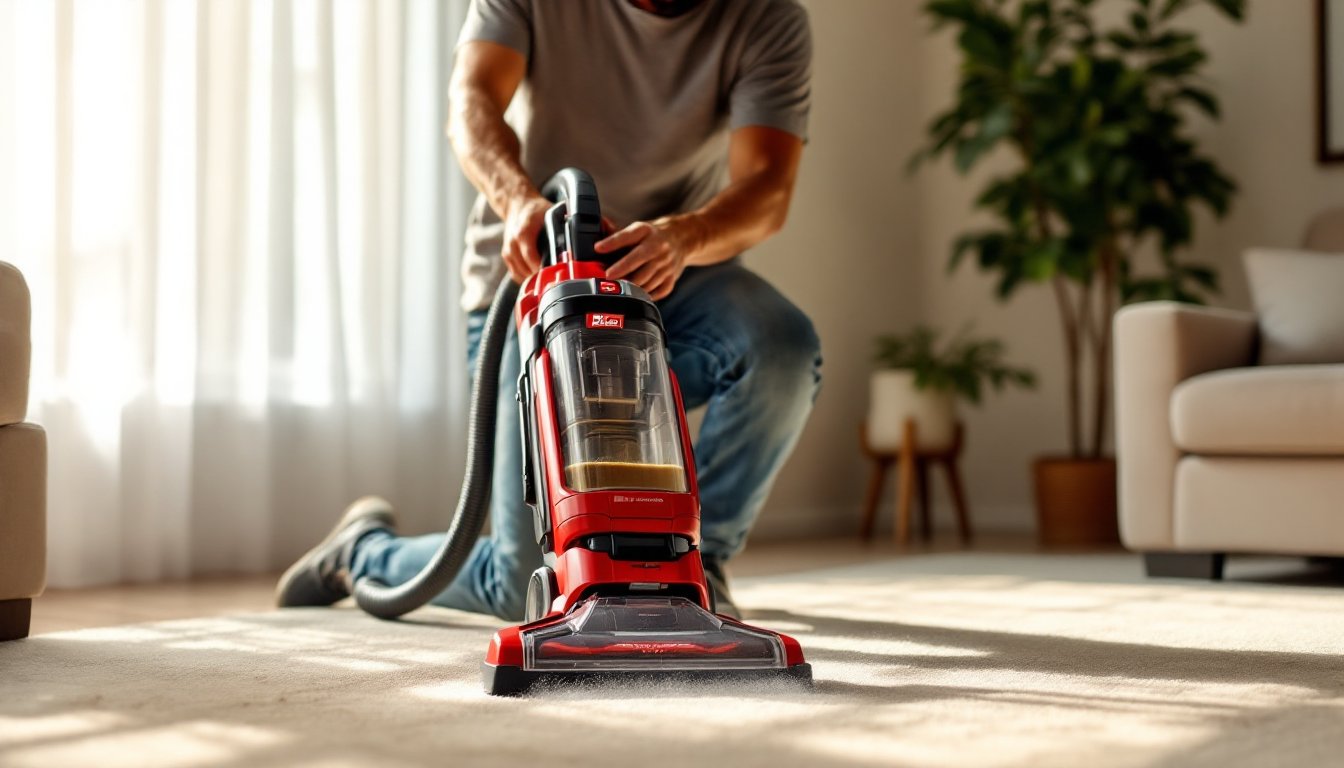
Dirt Devil Power Max Carpet Cleaner: A mid-size upright designed for whole-room cleaning. Features a 12-inch cleaning path and dual-tank capacity of approximately 1 gallon clean water, 0.75 gallon dirty. The rotating brush roll operates at variable speeds, allowing gentler cleaning for delicate area rugs or aggressive scrubbing for Berber and low-pile commercial carpet. Hose and upholstery tool store onboard. Weighs about 17 pounds, manageable for most adults. Recovery motor pulls around 8 amps. Best for: living rooms, bedrooms, hallways.
Dirt Devil Easy Lite Carpet Washer: The budget-friendly option with a simplified control panel, typically just on/off and spray trigger. Cleaning path narrows to 10 inches, but weight drops to 12 pounds, making it easier for extended use if you have mobility concerns. Tank capacity is smaller (0.7 gallon clean), so plan on refilling mid-project for spaces over 200 square feet. Best for: apartments, light-duty refresh, seniors or users with limited upper body strength.
All models operate on standard 120V household current and use hot tap water mixed with carpet cleaning solution, no built-in heating element, which keeps purchase price and maintenance complexity down.
How to Use Your Dirt Devil Carpet Cleaner Effectively
Step 1: Vacuum thoroughly first. Carpet cleaners extract wet dirt and stains: they’re not designed to suck up dry debris like pet hair, crumbs, or sand. Skipping this step clogs the brush roll and reduces suction efficiency by 30-40%.
Step 2: Mix cleaning solution correctly. Most Dirt Devil tanks have fill lines indicating water level and solution ratio, typically 1-2 ounces of concentrate per gallon of water. Using more doesn’t clean better: it leaves sticky residue that attracts dirt faster, undoing your work within days.
Step 3: Test in an inconspicuous area. Run a small pass along a closet edge or under furniture to confirm colorfastness, especially on natural fiber rugs (wool, sisal, jute) or vintage carpets. Wait 10 minutes and blot with a white towel, if color transfers, switch to a gentler formula or call a pro.
Step 4: Work in overlapping passes. Push forward slowly (about 1 foot per 3 seconds) while holding the spray trigger, then pull back without spraying to extract moisture. Overlap each pass by 50% to avoid streaking. Don’t flood the carpet, excessive water soaks the pad underneath, leading to mold growth and longer dry times.
Step 5: Make a second dry pass. After cleaning a section, release the trigger and run the machine over it again to pull out residual moisture. This cuts drying time from 12-24 hours down to 6-8 hours in most climates.
Pre-Treatment and Preparation Tips
For set-in stains (wine, coffee, pet urine), apply a dedicated pre-treatment spray 5-10 minutes before cleaning. Look for enzyme-based formulas for organic stains or oxygen bleach for dye-based spills. Avoid combining ammonia and bleach, it creates toxic fumes.
Move furniture or at least shift it enough to clean underneath edges. Rust stains from metal furniture feet won’t come out with a carpet cleaner: use a rust remover first.
Check carpet warranties. Some manufacturers void coverage if you use non-approved cleaning methods or solutions. When in doubt, stick with pH-neutral, carpet-manufacturer-approved products.
Open windows and run fans to improve airflow. Faster drying prevents musty odors and discourages mildew. In humid climates (above 60% relative humidity), consider running a dehumidifier during the drying phase.
Wear safety gear: knee pads for extended kneeling on hard floors while treating stains, and nitrile gloves if you’re using concentrated cleaning solutions. Ventilate well, some formulas emit VOCs (volatile organic compounds) that irritate lungs and eyes.
Maintenance and Care for Long-Lasting Performance
After every use:
• Empty and rinse both tanks with warm water. Dirty water left standing grows bacteria and smells sour within 24 hours.
• Remove the brush roll and cut away tangled hair, string, or fibers using scissors or a seam ripper. Even small obstructions reduce brush speed and cleaning power.
• Wipe the nozzle and spray jets with a damp cloth. Dried soap residue clogs spray patterns, causing uneven application.
Monthly (or every 3-4 uses):
• Run a tank of clean hot water (no soap) through the system to flush internal hoses and pump. This prevents solution buildup inside lines you can’t easily access.
• Inspect belts for wear. A slipping or frayed belt causes the brush to slow or stop. Replacement belts cost $5-10 and install in under 10 minutes with a screwdriver.
• Check hoses for cracks, especially near connection points. A cracked hose kills suction and leaks dirty water onto your floor.
Storage tips:
Store the unit with tanks removed and left open to air-dry completely. Sealing damp tanks invites mold. Keep it in a climate-controlled space if possible, freezing temps can crack plastic tanks.
Replace filters according to the manual, usually every 6-12 months depending on use frequency. Clogged filters drop suction by 50% and strain the motor, shortening its lifespan.
Use only carpet cleaner formula, not dish soap, laundry detergent, or all-purpose cleaners. Those products foam excessively and can damage the pump or motor. If you want a budget option, look for generic “carpet shampoo” labeled for use in extraction machines.
Many home organization and cleaning strategies suggest keeping a maintenance log, note each use date and any issues. Patterns (like frequent clogs in the same nozzle) help you catch problems before they require expensive repairs.
Common Issues and Troubleshooting Solutions
No suction or weak suction:
• Confirm tanks are seated correctly. Most models won’t engage suction if the dirty water tank isn’t locked in place.
• Clear the nozzle and hose of clogs. A balled-up sock or wad of pet hair can block airflow entirely.
• Check for cracks in hoses or loose hose connections. Listen for hissing air leaks while the motor runs.
Brush roll won’t spin:
• Inspect the belt. If it’s stretched, melted, or broken, replace it. Belts wear faster if the brush roll is frequently jammed with debris.
• Remove the brush roll and clear tangled material. Even a small jam can prevent rotation.
• Confirm the motor is running. If the suction motor works but the brush doesn’t, the belt is usually the culprit.
Machine leaves carpet too wet:
• You’re likely applying too much solution or moving too slowly. Speed up your forward pass and make sure you’re pulling back without the trigger held.
• Make multiple dry extraction passes (no spray) after cleaning.
• Dirty water tank may be full, preventing further extraction. Empty it mid-job if you’re covering large areas.
Streaks or uneven cleaning:
• Nozzle jets are clogged. Rinse them under hot water and use a pin to clear individual spray holes.
• Overlapping passes insufficiently. Ensure each pass covers 50% of the previous one.
• Using too little solution can also cause streaking, follow manufacturer ratios.
Odor from the machine:
• Bacteria growth in tanks or hoses. Run a vinegar-water mix (1:1 ratio) through the system, then flush with plain water.
• Dry tanks and brush roll completely after each use and store with tanks removed.
Motor shuts off mid-use:
• Thermal overload protection triggered. The motor overheated, usually from a clog restricting airflow. Let it cool 30 minutes, then clear any obstructions before restarting.
• Check that you’re not exceeding the cord’s amperage on a shared circuit (running a vacuum and carpet cleaner simultaneously can trip protection).
For persistent issues not resolved by these steps, contact Dirt Devil customer service or consult a small appliance repair shop. Motors and pumps can fail after heavy use, typical lifespan is 3-5 years with regular residential use. Replacement parts are often available, but sometimes buying a new unit makes more financial sense than repairing an old one.
Many comprehensive cleaning and home care resources offer additional troubleshooting flowcharts and video guides if you prefer visual walkthroughs.
Conclusion
Dirt Devil carpet cleaners deliver practical, budget-friendly deep cleaning for homeowners willing to put in the prep work and follow best practices. Choose a model that matches your space and needs, maintain it consistently, and you’ll get years of reliable performance. Clean carpets improve air quality, extend flooring life, and make any room feel fresh, all achievable on a DIY timeline and budget.