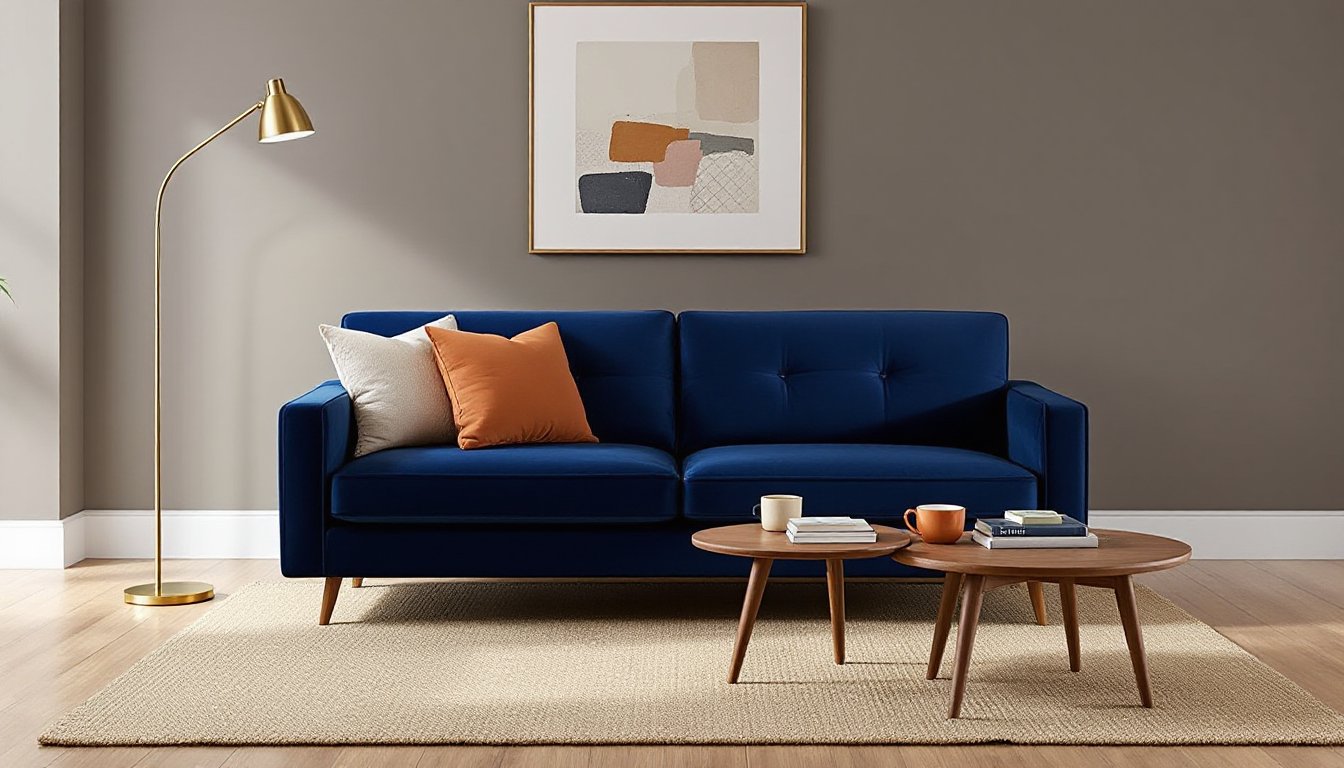
A blue sleeper sofa is one of the most practical furniture investments for homes where space does double duty. It delivers guest-ready sleeping accommodations without sacrificing daily function, and the blue upholstery adds versatility that works across decorating styles, from coastal whites to industrial grays to warm wood tones. Whether outfitting a studio apartment, a home office that moonlights as a guest room, or a family room that needs overflow sleeping capacity, a well-chosen sleeper sofa in blue tones offers both form and function without the Pinterest fluff.
Table of Contents
ToggleKey Takeaways
- A blue sleeper sofa combines space-saving design with versatility, making it ideal for studios, home offices, and guest rooms where daily function and sleeping accommodations must coexist.
- Blue upholstery hides stains better than light neutrals and pairs cleanly with warm wood floors and metal fixtures, offering a calming aesthetic that works across multiple room settings.
- Choose between pull-out, click-clack, European-style, and sectional sleeper mechanisms based on guest frequency and comfort needs—European-style options offer the most durability for regular use.
- Prioritize mattress thickness (6 inches or more for frequent guests), hardwood frame construction with reinforced hinges, and performance fabrics if your home has pets or high traffic.
- Maintain your blue sleeper sofa by vacuuming weekly, rotating cushions monthly, lubricating mechanisms annually with silicone spray, and protecting from sunlight to prevent indigo or cobalt fading.
- Position your blue sleeper sofa as an anchor piece in living rooms paired with warm-toned accents, or in multi-purpose spaces like offices where deeper blue shades differentiate the seating zone from work zones.
Why Choose a Blue Sleeper Sofa for Your Home?
Blue upholstery offers a color palette that’s more forgiving than beige and more adaptable than bold jewel tones. It hides minor staining better than light neutrals, a real advantage in high-traffic spaces or homes with kids and pets. Navy, indigo, and slate blue tones pair cleanly with warm wood floors, white trim, and metal fixtures common in most residential builds.
From a functional standpoint, sleeper sofas eliminate the need for a dedicated guest bedroom in smaller homes or allow a home office to serve multiple roles without a Murphy bed installation. Standard queen-size sleeper mechanisms fit frames that are typically 80–85 inches wide, which means they occupy roughly the same footprint as a traditional three-seat sofa.
Blue also reads as calming and neutral enough to work in living rooms, dens, basements, and even finished garages converted to bonus spaces. It doesn’t telegraph “guest furniture” the way a daybed might, so daily use doesn’t feel like sitting on a bed. That distinction matters for resale appeal and for maintaining a cohesive aesthetic in multi-use rooms.
Types of Blue Sleeper Sofas: Finding Your Perfect Match
Sleeper sofas come in several mechanism styles, and the right choice depends on how often the bed gets used and who’s sleeping on it.
Pull-out (trundle-style) sleepers use a metal frame that folds out from beneath the seat cushions. The mattress is usually 4–5 inches thick, often innerspring or memory foam. These are the most common type and work well for occasional guests. Expect the mattress to sit lower than a standard bed, usually 12–14 inches off the floor when deployed.
Click-clack (futon-style) mechanisms fold the backrest down flat to form a sleeping surface. There’s no separate mattress: the sofa cushions become the bed. They’re faster to convert but less comfortable for multi-night stays. Best for kids, short-term guests, or emergency use.
European-style sleepers (also called “slide-out” or “European glide”) pull the mattress out from under the seat deck without removing the seat cushions. The mattress is thicker, often 6–8 inches, and the mechanism is sturdier. These are pricier but far more comfortable for regular use.
Sectional sleepers integrate a pull-out bed into one section of a modular sofa. They’re ideal for L-shaped layouts in family rooms or basements. Make sure the sleeper section is positioned where the bed can fully extend without hitting a wall or coffee table. Measure the clearance: most need 90–100 inches of open floor space when the bed is deployed.
Blue fabric options range from performance velvet (soft, stain-resistant polyester blends) to linen-look weaves and microfiber. Performance fabrics are worth the upcharge if the sofa sees daily use or you have pets.
Key Features to Consider When Buying a Blue Sleeper Sofa
Start with the mattress type and thickness. Innerspring mattresses provide traditional support but can develop squeaks or sagging over time. Memory foam and gel-foam hybrids sleep cooler and offer better pressure relief, especially for side sleepers. If guests will stay more than one or two nights a month, budget for a 6-inch or thicker mattress.
Check the frame construction. Hardwood frames (oak, maple, or engineered hardwood laminates) outlast particle board or softwood. Look for corner blocks, doweled joints, and metal corner braces. The best sleeper mechanisms use heavy-gauge steel with reinforced hinges.
Seat depth matters for daily comfort. Standard sofas measure 36–40 inches deep: sleeper sofas sometimes run shallower to accommodate the folded mattress. Sit on the sofa in the showroom or check return policies if ordering online. A too-shallow seat feels like perching, not lounging.
Many small space living ideas emphasize the importance of dual-function furniture, and sleeper sofas top that list. Pay attention to weight capacity for both sitting and sleeping. Most residential sleeper sofas are rated for 250–300 pounds per seat and 500–600 pounds total for the mattress. If you’re outfitting a basement rec room or rental property, confirm those specs.
Ease of operation is critical. Test the mechanism in person if possible. Convertible beds should deploy smoothly without requiring two people or a YouTube tutorial. European-style mechanisms are heavier and may need a stronger pull, but they shouldn’t bind or catch.
Finally, consider armrest height and style. Low track arms maximize seat width and give a modern look. High rolled arms add traditional styling and provide a side bolster when the bed is deployed, but they reduce the usable mattress width by a few inches.
How to Style a Blue Sleeper Sofa in Different Room Settings
Blue’s versatility makes it easy to integrate into existing color schemes, but deliberate styling elevates the space from functional to finished.
Living Room Styling Tips
In a primary living room, treat the blue sleeper sofa as an anchor piece. Navy and charcoal blues pair cleanly with white or light gray walls (Sherwin-Williams Repose Gray or Benjamin Moore Classic Gray are safe bets). Add warm contrast with camel or tan leather accent chairs, a jute or sisal area rug, and wood coffee tables in walnut or oak tones.
Softer blues, powder, slate, or denim, work well with warm whites and beiges. Layer in brass or black metal fixtures (floor lamps, picture frames, curtain rods) for definition. Avoid matching blue-on-blue unless you’re intentionally creating a monochromatic scheme: instead, introduce pattern through throw pillows in stripes, geometric prints, or subtle florals.
Keep the coffee table 16–18 inches away from the sofa edge for comfortable legroom, but remember you’ll need to move it entirely when deploying the bed. Lightweight nesting tables or an ottoman with casters can simplify that process.
Consider current furniture trends when selecting accent pieces, curved chairs and organic shapes are balancing the straight lines of most sleeper sofa frames in 2026.
Guest Room and Multi-Purpose Spaces
In a home office or den, a sleeper sofa allows the room to serve dual purposes without looking like a spare bedroom. Position the sofa opposite a wall-mounted desk or floating shelves so the room reads as a workspace first. Choose a deeper blue (indigo, midnight, or teal) to differentiate the seating zone from the work zone.
Add a floor lamp with a swing arm positioned behind the sofa for reading light that doesn’t require end tables. Wall sconces free up floor space and provide task lighting when the bed is deployed.
Keep the room flexible: avoid built-in furniture that blocks the sofa’s conversion path. A narrow console table behind the sofa (under 12 inches deep) can hold decor and a table lamp without interfering with bed deployment.
For basement or bonus room setups, blue sleepers in performance fabric hold up better against moisture and temperature swings. Pair with washable cotton or indoor-outdoor rugs and avoid silk or delicate textiles that won’t tolerate below-grade humidity.
Maintenance and Care Tips for Long-Lasting Blue Upholstery
Vacuum weekly using the upholstery attachment to prevent dust and debris from grinding into the weave. Pay attention to crevices where the seat meets the arms and back, crumbs and pet hair accumulate fast.
Rotate cushions every month if they’re reversible. This distributes wear evenly and prevents permanent body impressions. Some sleeper sofas have fixed seat cushions due to the mattress mechanism underneath: in that case, fluff and reshape them by hand.
For stain removal, blot (never rub) spills immediately with a clean white cloth. Use a fabric-specific cleaner or a mix of 1 tablespoon dish soap to 2 cups warm water. Test in an inconspicuous spot first. Blue fabrics can show water rings, so blot from the outside of the stain inward and allow to air-dry completely. Many paint tutorials recommend using the same blotting technique when dealing with accidental drips on upholstery.
Protect from sunlight to prevent fading, especially with indigo and cobalt blues. UV-blocking window film or sheer curtains make a difference if the sofa sits near south- or west-facing windows.
Lubricate the sleeper mechanism annually with a silicone spray (not WD-40, which attracts dust). Open the bed fully, wipe metal joints and rails with a dry cloth, then apply lubricant to hinges and sliding tracks. This prevents squeaks and extends the mechanism’s lifespan.
If the sofa includes removable covers, check the care tag. Many performance fabrics are machine-washable on cold with mild detergent: line-dry or tumble on low. Avoid bleach or fabric softener, which can break down stain-resistant treatments.
Finally, inspect the mattress every few months. Flip or rotate it if the design allows (not all sleeper mattresses are reversible). Air it out by leaving the bed deployed for a few hours with windows open. This prevents musty odors and extends mattress life.
A blue sleeper sofa is a workhorse piece of furniture. With proper material selection, realistic expectations about comfort, and regular maintenance, it’ll serve double duty for years without looking tired or feeling like a compromise.