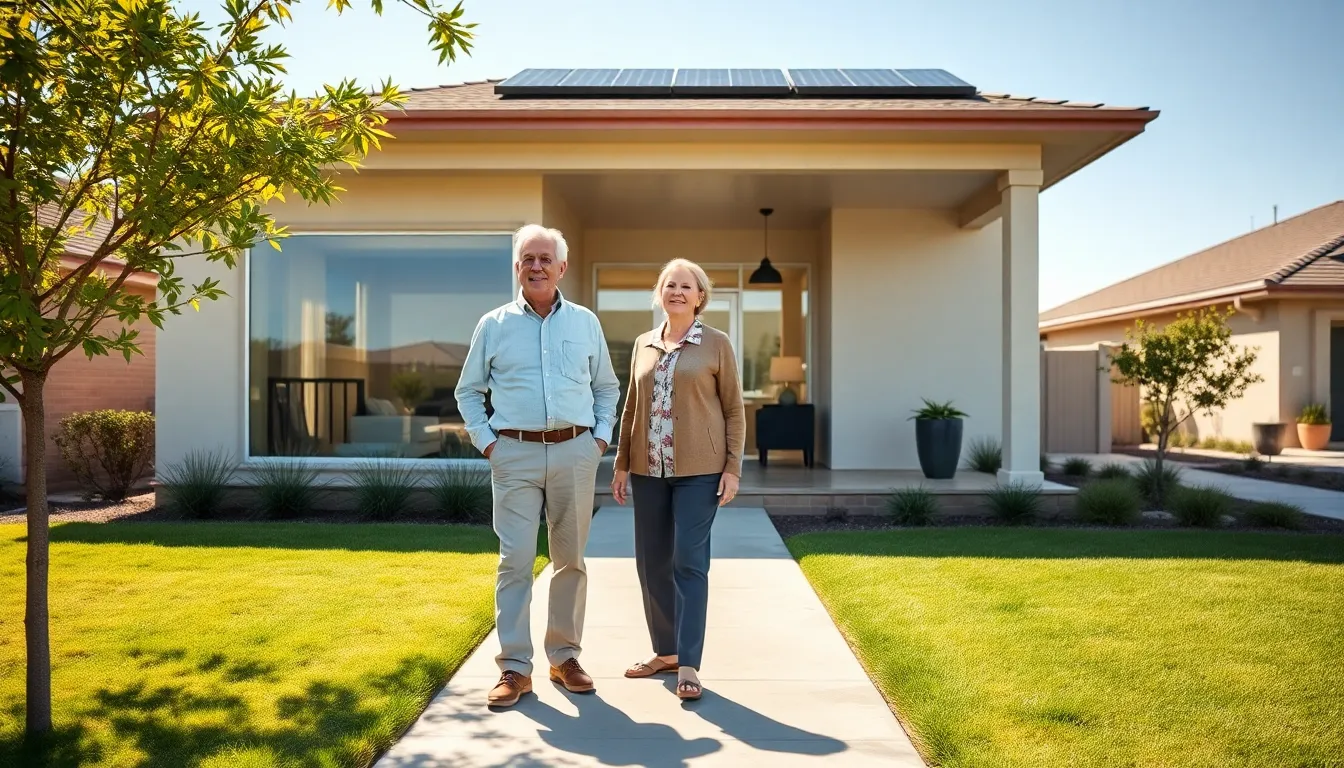
Finding the right home for retirement in 2026 looks different than it did even five years ago. Retirees today want more than a place to live, they want homes that support independence, reduce costs, and adapt to changing needs. Economic shifts, new technology, and evolving family structures are reshaping how people plan their retirement housing.
This guide breaks down the key home for retirement trends 2026 that matter most. From downsizing strategies to smart home features and multigenerational living, these trends reflect what retirees actually prioritize. Whether someone plans to stay put, relocate, or move closer to family, understanding these shifts helps make smarter housing decisions.
Table of Contents
ToggleKey Takeaways
- Home for retirement trends 2026 emphasize right-sizing over simple downsizing, aligning living spaces with actual lifestyle needs rather than just reducing square footage.
- Smart home technology—including voice assistants, health monitors, and automated lighting—helps retirees age in place safely and independently.
- Popular retirement destinations like Florida, Arizona, the Carolinas, and Texas attract buyers with favorable tax policies, affordable housing, and quality healthcare.
- Energy-efficient features such as solar panels, heat pumps, and upgraded insulation reduce monthly expenses, making them increasingly standard in retirement homes.
- Multigenerational living is surging as families share housing costs and caregiving responsibilities through in-law suites and accessory dwelling units (ADUs).
- Single-story homes and main-floor living remain top priorities for retirees planning ahead for potential mobility changes.
Downsizing and Right-Sizing for Modern Retirees
Downsizing remains a dominant home for retirement trend in 2026, but the approach has shifted. Retirees aren’t just moving to smaller spaces, they’re right-sizing to match their actual lifestyle needs.
Right-sizing means choosing a home based on how someone lives, not just square footage. A retiree who hosts grandchildren regularly might keep a three-bedroom home. Another who travels frequently might prefer a low-maintenance condo. The goal is aligning living space with daily reality.
Financial factors drive many downsizing decisions. Selling a larger home frees up equity that can fund healthcare, travel, or supplement retirement income. Property taxes, maintenance costs, and utility bills all drop with a smaller footprint.
Single-story homes are particularly popular among retirees planning for mobility changes. Stairs become a concern as people age, and many buyers now prioritize main-floor living. Ranch-style homes and single-level condos consistently attract retiree buyers in 2026.
Location also plays a role in right-sizing choices. Some retirees trade suburban homes for urban apartments near healthcare facilities and cultural amenities. Others move to walkable small towns where they can reduce car dependency.
Age-in-Place Technology and Smart Home Features
Smart home technology has become essential for retirees who want to stay in their homes longer. The home for retirement trends 2026 show strong demand for features that support independence and safety.
Voice-activated assistants like Amazon Alexa and Google Home help retirees control lights, thermostats, and locks without physical effort. These systems also set medication reminders, make phone calls, and provide entertainment, all through simple voice commands.
Smart security systems give retirees and their families peace of mind. Video doorbells let homeowners see visitors without opening the door. Motion sensors can alert family members if unusual activity occurs, such as a fall or prolonged inactivity.
Health monitoring devices connect directly to home systems. Wearable sensors track heart rate, sleep patterns, and physical activity. Some systems automatically notify emergency contacts if they detect a health concern.
Automated lighting reduces fall risks, which remain a leading cause of injury among older adults. Motion-activated lights illuminate hallways and bathrooms at night. Smart blinds adjust automatically based on time of day.
Many retirees invest in these features during home renovations or when purchasing new properties. Builders increasingly include smart home packages designed specifically for aging residents. The upfront cost often pays off through longer independent living and reduced care expenses.
Popular Retirement Destinations and Housing Markets
Geographic preferences continue shaping home for retirement trends 2026. Certain regions attract retirees through favorable tax policies, climate, and cost of living.
Florida remains the top retirement destination. No state income tax, warm weather, and established retirement communities keep demand high. Cities like Sarasota, Naples, and The Villages see consistent buyer interest.
Arizona attracts retirees seeking dry climates and outdoor recreation. Phoenix, Tucson, and Scottsdale offer diverse housing options from active adult communities to custom homes. Healthcare infrastructure in these cities has expanded to meet retiree needs.
The Carolinas have emerged as strong alternatives. North Carolina’s Research Triangle provides excellent healthcare access. South Carolina’s coastal towns like Hilton Head and Charleston combine mild winters with lower costs than Florida.
Texas draws retirees with no state income tax and affordable housing. San Antonio and Austin appeal to those wanting urban amenities. Hill Country communities offer quieter settings with natural beauty.
Some retirees choose unexpected locations. Portugal has become popular among American retirees for its low cost of living and healthcare quality. Mexico’s Lake Chapala region hosts a significant expat retiree community.
Housing market conditions affect these choices significantly. Retirees with substantial home equity in expensive markets can purchase homes outright in lower-cost regions. This financial flexibility shapes where retirement actually happens.
Sustainable and Energy-Efficient Home Design
Environmental consciousness meets practical savings in home for retirement trends 2026. Retirees increasingly choose homes with sustainable features that reduce monthly expenses and environmental impact.
Solar panels have become more affordable and efficient. Many retirees install solar systems to cut electricity costs, which matter greatly on fixed incomes. Some states offer tax incentives that make solar installation even more attractive.
Energy-efficient windows and insulation dramatically reduce heating and cooling costs. Older homes often lose significant energy through poor insulation. Upgrades pay for themselves within a few years through utility savings.
Heat pumps have replaced traditional HVAC systems in many retirement homes. These systems use less energy while providing both heating and cooling. Modern heat pumps work efficiently even in colder climates.
Water conservation features appeal to retirees in drought-prone regions. Low-flow fixtures, drought-resistant landscaping, and rainwater collection systems reduce water bills and maintenance needs.
Green building certifications like ENERGY STAR and LEED help buyers identify efficient homes. Retirees use these ratings when comparing properties, knowing certified homes typically cost less to operate.
Builders have responded to this demand. New retirement communities often include sustainable features as standard options rather than expensive upgrades. This shift makes energy-efficient living accessible to more retirees.
Multigenerational Living Arrangements on the Rise
Multigenerational homes represent one of the fastest-growing home for retirement trends 2026. Economic pressures and cultural shifts have made shared living arrangements practical and appealing.
Adult children and aging parents increasingly combine households. This arrangement reduces housing costs for everyone while providing built-in support. Grandparents help with childcare: adult children assist with transportation and household tasks.
Home designs have adapted to this trend. In-law suites, accessory dwelling units (ADUs), and dual-master floor plans provide privacy within shared properties. These layouts allow independence while keeping family nearby.
Financial benefits motivate many multigenerational arrangements. Sharing mortgage payments, utilities, and property taxes makes homeownership more affordable. Families pool resources to purchase larger or better-located properties than they could afford separately.
Cultural factors also influence this trend. Many families value close intergenerational connections. Living together strengthens relationships between grandparents and grandchildren while honoring traditions of family care.
Zoning changes have supported multigenerational housing growth. Many cities now allow ADUs on single-family lots. This policy shift lets homeowners add rental units or family apartments without moving.
Challenges exist, of course. Privacy concerns, different lifestyle preferences, and unclear financial arrangements can create tension. Families who succeed typically establish clear expectations before moving in together.
The home for retirement trend toward multigenerational living reflects broader changes in how Americans think about aging, family, and housing affordability.