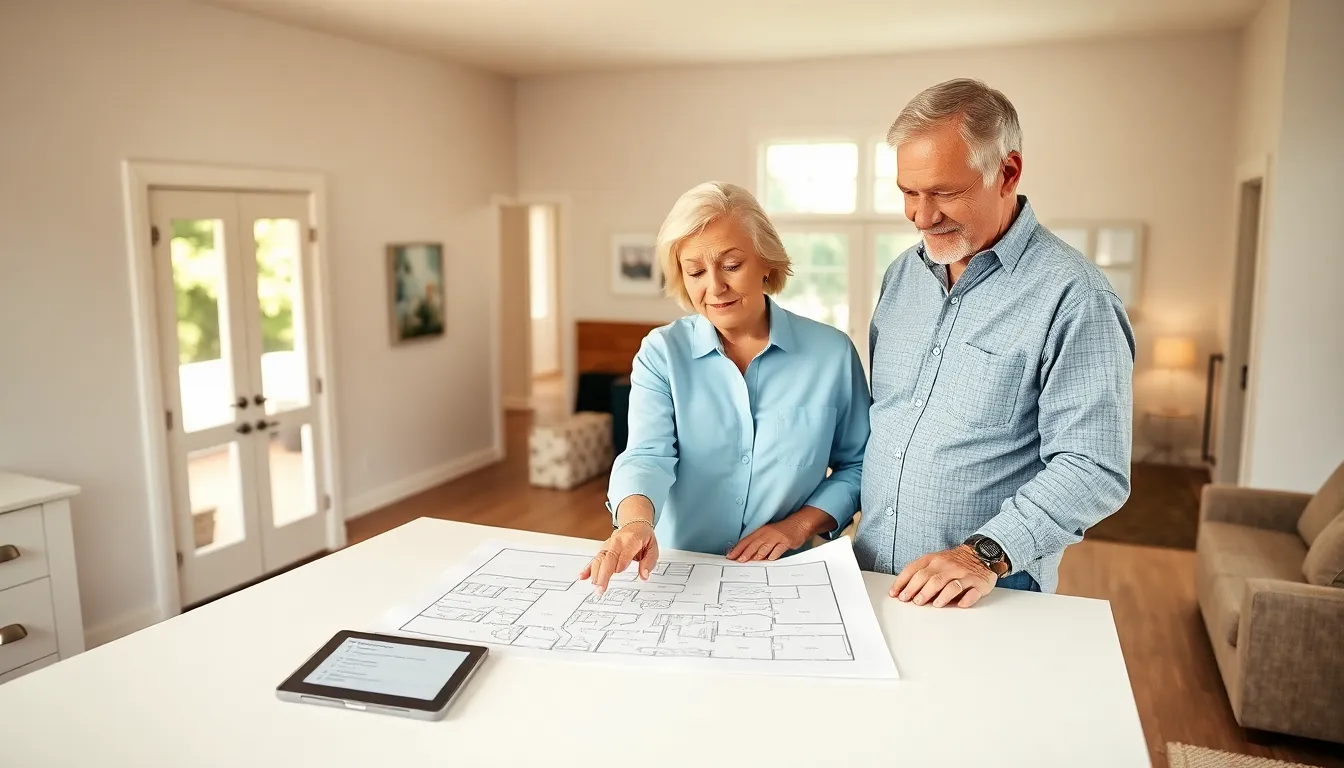
Home for retirement techniques help people create safe, comfortable living spaces for their later years. Many retirees want to stay in their current homes, but the space may need changes to support aging. Others consider moving to smaller or more accessible properties.
The right approach depends on health, finances, and personal preferences. This guide covers practical strategies for assessing current homes, making smart modifications, deciding between downsizing and staying put, and planning finances for retirement housing. These home for retirement techniques can make the difference between struggling and thriving in later life.
Table of Contents
ToggleKey Takeaways
- Effective home for retirement techniques start with a thorough safety assessment of your current living space, including trip hazards, stair accessibility, and bathroom risks.
- Low-cost modifications like grab bars, non-slip mats, and improved lighting can significantly improve home safety for under $500.
- The decision to downsize or stay put depends on balancing emotional attachment, ongoing maintenance costs, and future mobility needs.
- Financial planning is essential—budget 1-2% of your home’s value annually for maintenance and explore programs like VA grants or Medicaid waivers to fund modifications.
- Start implementing home for retirement techniques early, as modifications made sooner provide more years of benefit at the same cost.
Assessing Your Current Home for Retirement Needs
A thorough home assessment reveals whether the current living space can support aging needs. This step forms the foundation of any home for retirement techniques plan.
Safety and Accessibility Check
Start by walking through each room with fresh eyes. Look for trip hazards like loose rugs, uneven flooring, and cluttered walkways. Check if doorways are wide enough for mobility aids, standard wheelchairs need at least 32 inches of clearance.
Stairs present one of the biggest challenges. Consider whether the bedroom, bathroom, and kitchen can all be accessed on one floor. If not, plan for future modifications or relocations within the home.
Bathroom and Kitchen Evaluation
Bathrooms cause the most falls among older adults. The CDC reports that one in four Americans aged 65 and older falls each year, and bathrooms are a common location. Look at bathtub height, shower entry points, and toilet placement. Is there room for grab bars? Can someone sit while showering?
Kitchens need similar attention. Upper cabinets may become hard to reach. Heavy appliances stored on high shelves create risks. Assess counter heights and storage accessibility.
Maintenance Demands
Large yards, multiple stories, and older systems require significant upkeep. A big garden might bring joy now but become a burden later. Consider ongoing maintenance costs and physical demands when evaluating home for retirement techniques.
Make a list of what works and what doesn’t. This honest assessment guides all future decisions about modifications or moving.
Aging-in-Place Modifications to Consider
Aging-in-place modifications allow people to stay in their homes safely. These home for retirement techniques range from simple fixes to major renovations.
Low-Cost Improvements
Some changes cost little but deliver big safety gains:
- Install grab bars in bathrooms near toilets and showers
- Add non-slip mats in bathtubs and on bathroom floors
- Improve lighting throughout the home, especially on stairs
- Replace round doorknobs with lever handles
- Remove throw rugs or secure them with non-slip backing
- Add handrails on both sides of staircases
These modifications typically cost under $500 total and can be completed in a weekend.
Mid-Range Upgrades
More substantial changes improve daily living:
Walk-in showers with zero-threshold entries eliminate the need to step over tub walls. Comfort-height toilets (17-19 inches) make sitting and standing easier. Motion-sensor lights turn on automatically in hallways and bathrooms.
Smart home technology helps too. Voice-activated systems control lights, thermostats, and door locks. Video doorbells let residents see visitors without walking to the door.
Major Renovations
Some homes need bigger changes. First-floor bedroom additions solve stair problems permanently. Wheelchair ramps replace steps at entrances. Widened doorways accommodate walkers and wheelchairs.
Stair lifts offer another option, though they cost between $3,000 and $15,000 depending on the staircase type. Home elevators exist for larger budgets.
These home for retirement techniques require professional contractors and permits. Plan modifications before they become urgent, costs rise when changes must happen quickly.
Downsizing vs. Staying Put: Making the Right Choice
The decision to downsize or stay creates real tension for many retirees. Both options have clear advantages and drawbacks.
Benefits of Staying Put
Familiar surroundings provide comfort and stability. Long-term residents know their neighbors, have established routines, and feel connected to their community. Moving disrupts these connections.
Financially, staying put avoids moving costs, real estate fees, and the stress of buying and selling. Homeowners with paid-off mortgages enjoy low housing costs. They’ve also invested in modifications that would need repeating in a new home.
Emotional attachment matters too. Memories live in homes. Leaving means saying goodbye to spaces where families grew.
Benefits of Downsizing
Smaller homes cost less to heat, cool, and maintain. Lower utility bills and reduced upkeep free up money and time. Some retirees find that selling a larger home releases equity they can use for healthcare, travel, or other priorities.
Newer construction often includes accessibility features already. Single-story layouts, wider doorways, and modern bathrooms come standard in many retirement-friendly developments.
Downsizing also reduces physical demands. No more climbing ladders to clean gutters or spending weekends on yard work.
Making the Decision
Consider these questions when choosing between home for retirement techniques:
- Can the current home be modified affordably?
- What are the ongoing maintenance costs?
- How important is staying in the current neighborhood?
- What does the housing market look like?
- What do health projections suggest about future mobility?
There’s no universal right answer. Some people thrive after downsizing. Others regret leaving homes they loved. The best choice aligns personal values with practical realities.
Financial Planning for Retirement Housing
Smart financial planning makes home for retirement techniques affordable and sustainable. Housing costs shouldn’t consume retirement savings.
Understanding Housing Costs
Financial advisors generally recommend spending no more than 30% of income on housing. For retirees on fixed incomes, this percentage becomes critical. Calculate total housing costs including:
- Mortgage or rent payments
- Property taxes
- Insurance premiums
- Utilities
- Maintenance and repairs
- HOA fees if applicable
Many homeowners underestimate maintenance costs. A good rule: budget 1-2% of the home’s value annually for upkeep.
Funding Home Modifications
Several programs help pay for aging-in-place modifications. Medicare doesn’t cover most home modifications, but some Medicaid waiver programs do. Veterans may qualify for grants through the VA’s Specially Adapted Housing program.
State and local programs exist too. Area Agencies on Aging can connect retirees with local resources. Some nonprofits offer free or reduced-cost modifications for qualifying seniors.
Home equity can fund larger projects. Home equity loans, HELOCs, and reverse mortgages all convert home value into available cash. Each option has different terms and requirements.
Planning Ahead
Start planning home for retirement techniques early. Modifications made at 60 cost the same as those made at 75, but the person making them at 60 has more time to benefit.
Create a dedicated housing fund within retirement savings. Even small monthly contributions add up over time. This fund covers expected modifications and unexpected repairs.
Consider long-term care insurance as part of housing planning. Some policies cover home modifications and in-home care services. These policies cost less when purchased younger.